


The Allure of Risk and Reward
Gambling inherently revolves around taking risks, and the potential for significant rewards plays a crucial role in attracting individuals to casinos. The thrill of risking money for the chance to win large sums can stimulate the brain’s reward centers, releasing dopamine, a neurotransmitter associated with pleasure. This biological reaction compels gamblers to chase after the high that comes from both wins and the anticipation of future victories, especially when they explore best online poker sites for us players.
Moreover, the concept of variable reinforcement schedules often comes into play in gambling environments. Casinos are designed to provide sporadic wins, creating a cycle of hope and excitement. This unpredictability reinforces behavior as players are conditioned to continue gambling in hopes of experiencing that next big win, often disregarding the odds against them. The influence of an Unknown factor can also contribute to players’ unpredictability in their choices during their gambling experiences.
Cognitive biases significantly affect gamblers’ decisions, leading to irrational choices. One prevalent bias is the illusion of control, where gamblers believe they can influence the outcome of games that are purely based on chance. This belief can be seen in activities such as throwing dice or choosing specific slots, where players think their choices can sway the results in their favor. It is often a challenge for individuals to recognize the Unknown effects of such biases on their gambling outcomes.
Another common bias is the gambler’s fallacy, which occurs when players believe that past events can influence future probabilities. For instance, someone might think that a slot machine that hasn’t paid out in a while is “due” for a win. These misconceptions can lead to prolonged gambling, often resulting in substantial financial losses.
The Role of Emotional States
Emotions play a pivotal role in gambling behaviors, influencing decisions in various ways. Many individuals turn to gambling as an escape from negative emotions, such as stress or sadness. This escapism can provide temporary relief but often leads to a cycle of reliance on gambling for emotional comfort, which can escalate into problematic behaviors.
Conversely, positive emotions can also propel gambling decisions. Celebrating victories can lead players to take bolder risks, believing that their luck will continue. This interplay between emotional states and gambling choices illustrates how deeply psychological factors intertwine with gambling activities.
Environmental and Social Influences
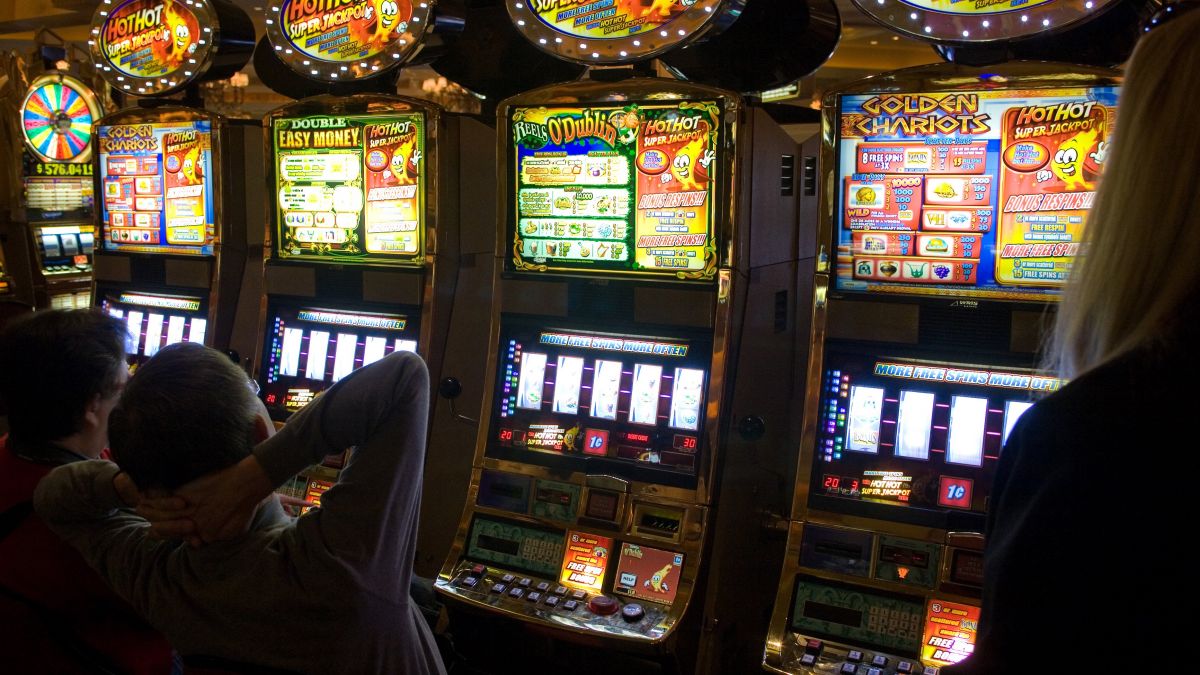
The environment in which gambling occurs also significantly impacts decision-making. Casinos are designed to be visually and aurally stimulating, with loud noises, bright lights, and appealing decor to create an atmosphere that encourages players to stay longer and play more. This immersive experience can distract players from their losses and amplify the excitement of the gaming experience.
Social influences cannot be overlooked either, as peer pressure and group dynamics can lead individuals to gamble in scenarios they might usually avoid. The presence of friends or fellow gamblers can create an environment where individuals feel compelled to participate, often leading to increased spending as they wish to conform to the social expectations surrounding them.
Understanding the Impact of Online Gambling
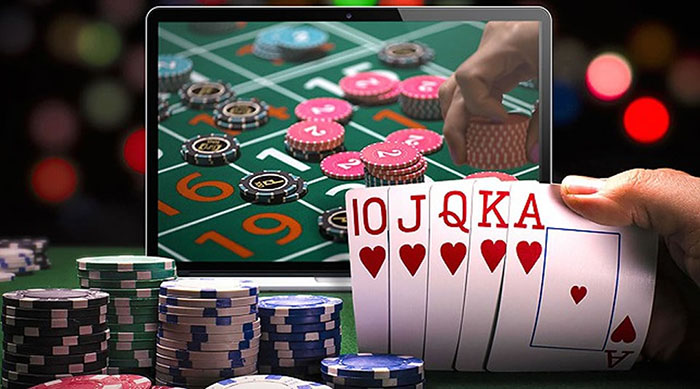
As online gambling continues to grow, understanding its psychological implications is more relevant than ever. The convenience of accessing gambling platforms from home eliminates some of the social barriers present in physical casinos, allowing for more impulsive decision-making. This ease of access can exacerbate risky behaviors and further entrench individuals into gambling habits.
The psychological aspects of online gambling also differ, as players may feel less accountability without the immediate financial stress of cash transactions. Understanding these shifts is essential for addressing potential gambling disorders and ensuring that individuals have the resources and support needed to make informed decisions regarding their gambling activities.